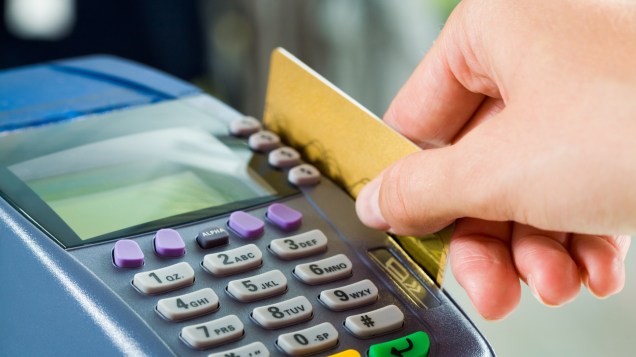
Today, if you are in the United States, chances are that if you purchase something in a store (or even online), that you would use a credit or debit card. If you don’t, then you will likely pay in cash. In a store those payment options account for around 98% of transactions today and traditional browser based online transaction for about 95%. In non-traditional purchase channels (using mobile, in-app purchases and wallets) this number drops to just under 70%. Granted these type of purchases still only constitute about 3% of purchases in the US economy, but will probably grow to 7-10% of purchases in 2020.
Which made me think; how will new payment options stack up against old payment types in the future, and how should we think about it.
In my mind, there are six categories of payments that will feature in the future. Three of them very much traditional (old payment types) and three that one could classify as new types of payments. Each of these categories will behave differently and the jury is out on how they will grow or decline in usage.
The first of the traditional two categories are (of course) cash payments where a central banking authority sponsored, physical tokens are exchanged in order to conclude a payment. It is highly likely that this type of payment would decrease consistently. The second of the traditional category is checks – a strange phenomena in the US. Checks will steadily decline as payment tool. The decline can be accelerated significantly if banks were to change the pricing strategies to reflect cost and risk properly.
The first two of the new categories would be payments utilizing inter-bank clearing house mechanisms (here I would categorize any national ACH or Immediate payment switch). The reason that there are two categories here is that I think it is important to make a distinction between push and pull payments. Payments where the clearing is initiated by the payer, I would call push payments and when the payment is initiated by the payee, I would think of this as pull payments. If a new payment type were to disrupt the status quo significantly, my money would be on a push payment scheme based on any of the ACH’s available. This type of payment has already grown to more than 30% of bill payments and it is poised to grow more (also in purchase transactions).
The last category would be based payments based on some modern distributed ledger – read block-chain. How do they say in politics: it is too early to call ?
Whatever will happen, the payment landscape is sure to change.
 Free Payments Now